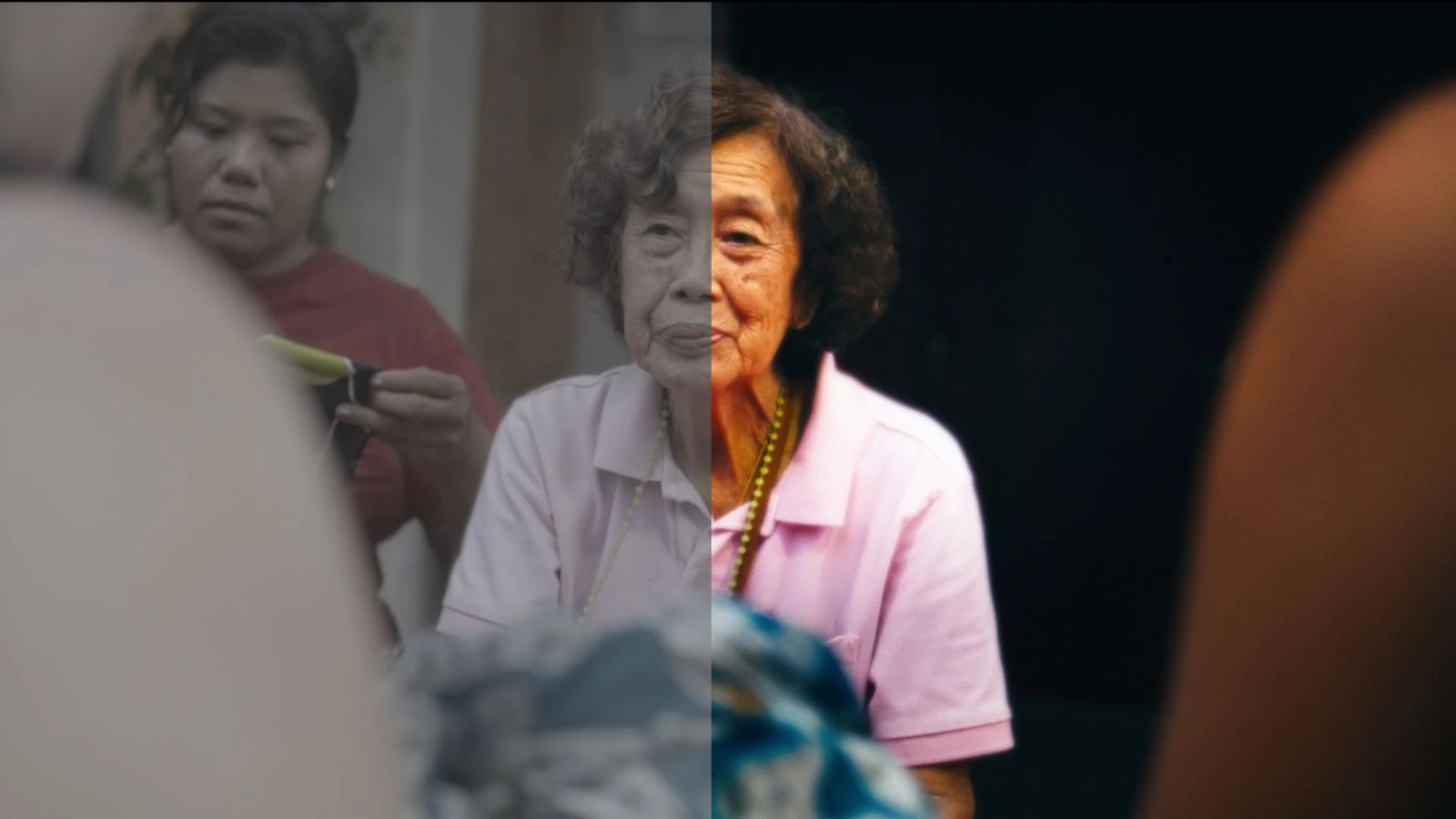
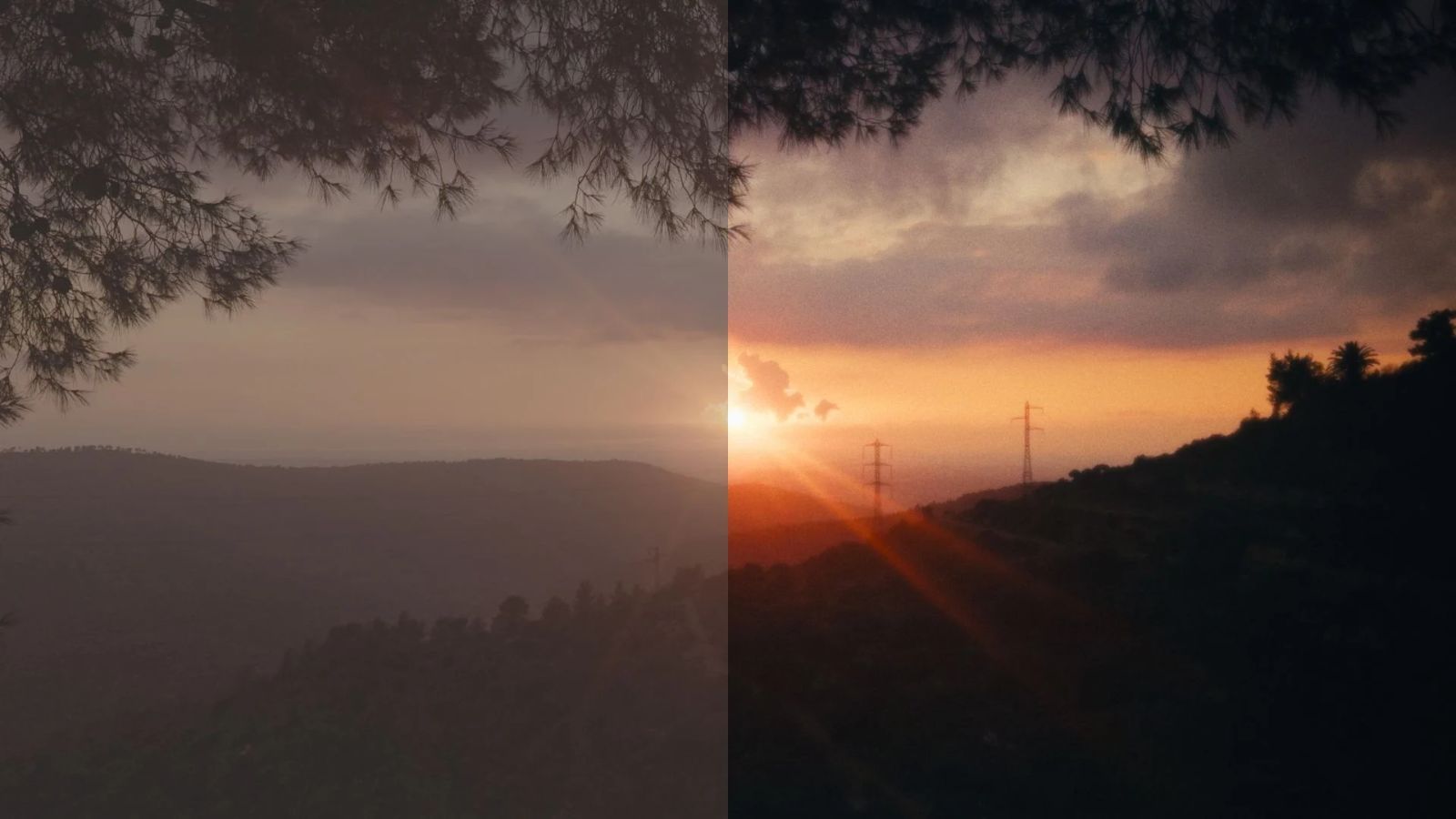
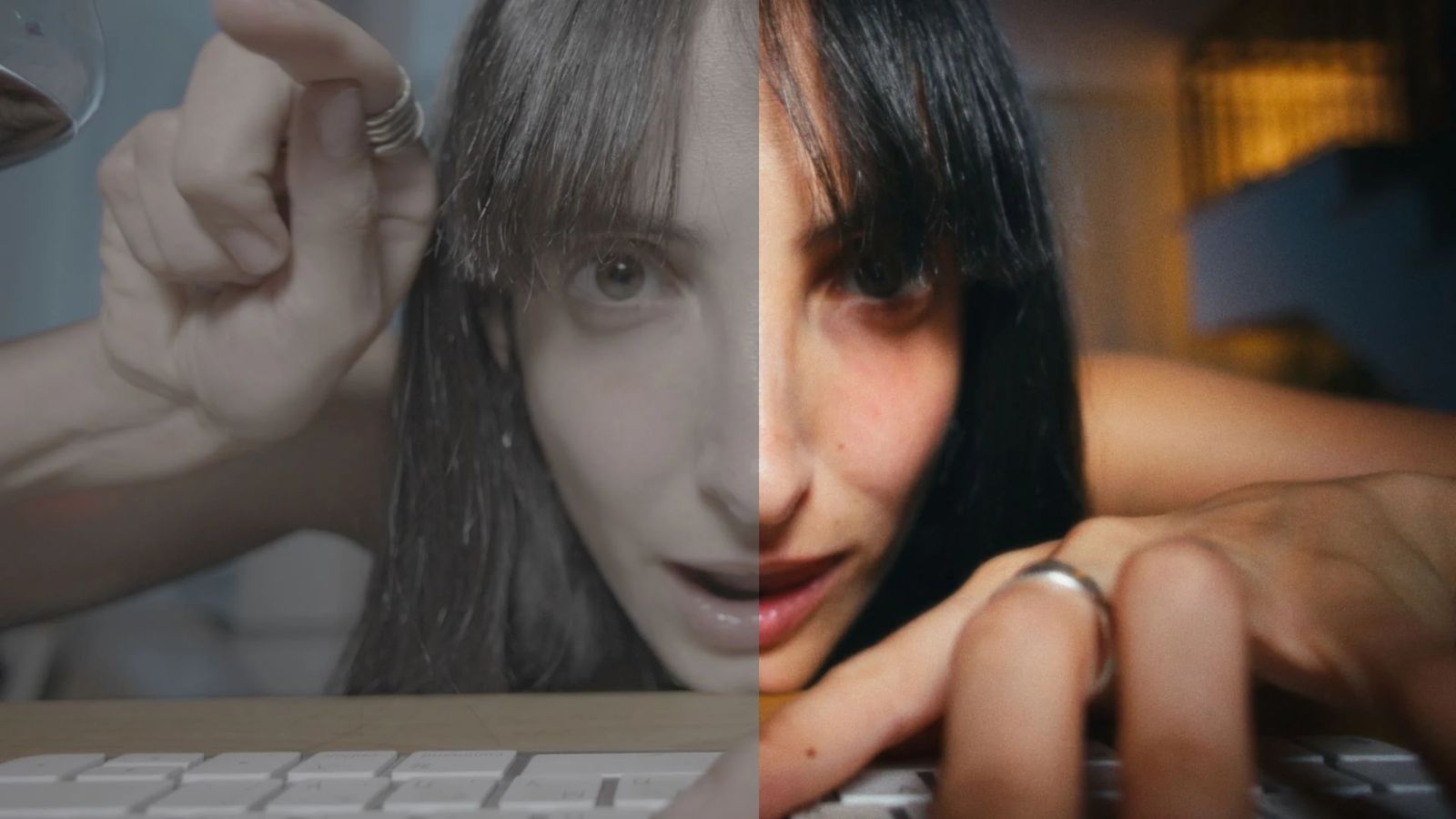
TSEILY FILM LOOK LUT
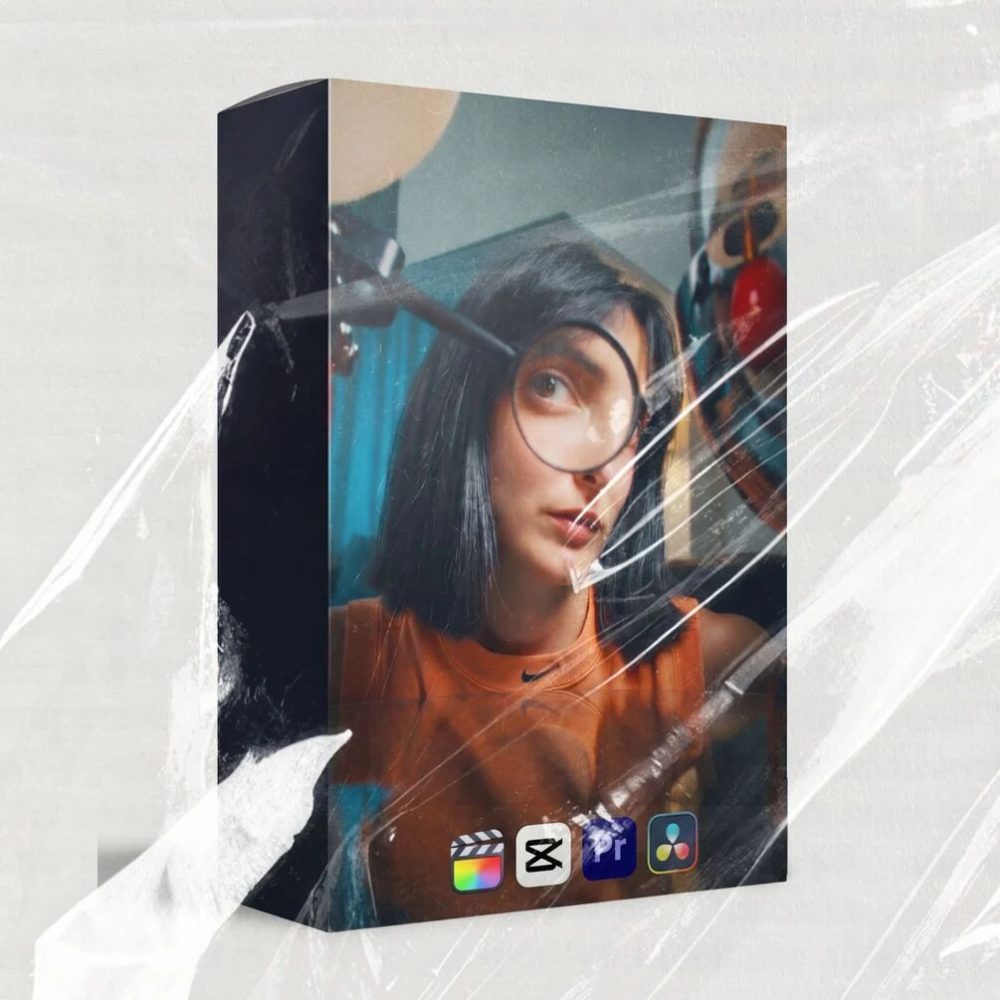
6 cinematic LUTs for footage shot in Log on iPhone. Made for the Blackmagic Camera app and DaVinci Resolve.
โ โ โ โ โ 5.0 from 6 ratings
These LUTs only work on footage shot in Log on iPhone, in the Blackmagic Camera app or DaVinci Resolve.
โ Wonโt work in CapCutโ Wonโt work on regular (non-Log) iPhone footage
Built to turn everyday footage into something that actually feels cinematic. No complicated setup. No overthinking. Just apply and adjust.
Film on your iPhone with the Blackmagic Camera app, in Log.
Unzip and import the .cube files into the Blackmagic Camera app or DaVinci Resolve.
No heavy grading. A touch of exposure or white balance if you need it.
LogOG
LogSUNSET
LogLIGHTโ โ โ โ โโThey instantly give my footage that gorgeous cinematic film look I've been chasing for ages, and they're so easy to apply.โ
Shlomo Genchin
Youโll receive a ZIP file that includes 6 LUTs from the TSEILUT pack, along with a detailed PDF guide explaining exactly how to install and use them.
Yes. For best results, shoot in Log using the Blackmagic Camera App on iPhone.
The LUTs were built specifically for this workflow.
Download and unzip the folder, then import the .cube files into your app.
A full step-by-step guide for each platform is included in the PDF, so you can follow it easily.
Only in the Blackmagic Camera app and DaVinci Resolve, on footage shot in Log on iPhone.
They wonโt work in CapCut, and they wonโt work on regular (non-Log) iPhone footage.
Yes. Simply apply the LUT directly to your clip.
The full look is already built into the LUT, so there is no need for any color space transform before applying it.
No heavy grading is needed.
You can make small adjustments like exposure or white balance if necessary.
Lighting and exposure affect the result.
For best results, keep your footage well-exposed and avoid over-editing.
Yes. The LUTs are designed to be simple, fast, and easy to use, even if youโre just starting out.
TSEILY FILM LOOK ยท HOW TO USE
This LUT pack was built to simplify your color grading process without compromising quality.
Instead of spending time rebuilding a look from scratch on every project, this gives you a strong, cinematic starting point that already feels intentional and polished.
It is designed to enhance your footage, not overpower it. The result stays clean, balanced, and true to the original image.
I suggest using these. Make sure that the color space is Apple Log.
Scroll down until you see the LUTs Manager, and click it.
Click it, it will open the files manager. Find the TSEILUT folder in your files.
Select all of the LUTs.
Make sure the LUTs are turned on.
Click the LUT icon on the bottom left, and choose any TSEILUT.
In order to record the LUT directly to your clip, make sure to mark this button.
Adjust the White Balance, ISO and Shutter Speed to your liking.
Apply the LUT as a base, then adjust according to your footage.
This was designed to work fast, so you can focus on creating, soโฆ
GO MAKE ART!
SO..
wanna see how I think?
A case study is the story behind the finished film: the brief, the idea, the references, how it was made and why it worked. Pick a project to go behind the scenes.
Case study
The Perfect Wife
A modern working woman steps into the world of vintage advertising, carrying her office in her bag.
Introduce the ASUS Marshmallow keyboard and mouse through a film that highlights their pastel colours, ease of use and portability, while fitting naturally into my visual style and content.
I presented two creative directions. Once โThe Perfect Wifeโ was selected, I developed the script, visual treatment and shot list.
The productโs pastel palette led me to a carefully composed retro world inspired by Wes Anderson. The briefโs emphasis on practicality brought that world into focus: the idealised housewife of 1950s and 1960s advertising, who could seemingly manage every task with effortless composure.
I reimagined her as a contemporary working woman. She still does everything, but her day now moves between home, cafรฉs and meetings. Her office travels with her.
That became the premise of the film: a character from an old commercial navigating modern working life. The contrast creates the humour and gives the keyboard and mouse a clear purpose within the story.
The art direction established the retro setting through symmetrical compositions, soft pastel colours and precise styling. Deadpan looks to camera, exaggerated product demonstrations and a theatrical reveal extended the language of vintage advertising.
The editing brought a contemporary pace to that world. Fast cuts and match cuts carried the character between locations, keeping her pose or action consistent as the surroundings changed. This made the mobility of her working day part of the filmโs visual structure.
Each key product benefit became an action on screen. Compact size, light weight and quiet operation had their own demonstration, while a simple before-and-after ending made the practical benefit immediately clear.
The vintage commercial format provides a familiar reference that audiences can recognise quickly. Moving its central character into contemporary life gives that familiarity a playful twist.
The productโs colours belong naturally within the art direction, and its portability supports the story. Performance and editing connect the campaign to my own creative style, allowing the film to communicate the brief through a distinctive piece of creator content.
Case study
A Parallel Self
A cinematic journey between reality and a parallel universe, where another version of me exists as an AI avatar.
Artlist invited me to create a film for Artlist AI Studio and gave me complete creative freedom.
With no prescribed concept or format, I wanted to explore the creative possibilities of the studio through an ambitious, immersive film.
The starting point was a question: what would a world without creative limits look like?
I developed a science-fiction concept centred on a parallel universe, where another version of me exists as an AI avatar. The film moves between the real and imagined versions of myself, turning the idea of unlimited possibility into a tangible cinematic experience.
The avatarโs realism was central to the concept. She needed to feel believable enough for the transition between the two worlds to carry weight. The closer the imagined version came to reality, the more compelling that crossing became.
The script came first. Its language established the rhythm, tone and scale of the film, and the visual sequences were developed around it. This gave the imagery a narrative structure and a clear sense of progression.
I built the visual treatment around the relationship between the two versions of myself. The realistic avatar anchored the imagined world, giving the audience a familiar character to follow through an unfamiliar environment.
Sound design extended the scale of that world. Tension, spatial depth and a sense of deep space made the transitions more immersive and helped the film feel larger than the screen.
The edit brought the script, visuals and sound together, shaping the movement between reality and imagination.
The parallel self gives an abstract idea, creative freedom through AI, a human point of connection. Seeing a believable version of me inhabit an imagined universe makes that possibility concrete.
The film itself serves as the product demonstration. Its character, world and cinematic treatment express the creative potential of Artlist AI Studio, while the script and sound give those visuals a coherent story and an emotional atmosphere.
Case study
Identity
A personal exploration of identity through fashion, combining urban street style with surreal imagery and constant movement.
adidas gave me complete creative freedom to develop the film.
I wanted to showcase the variety of shoes while creating a strong urban atmosphere. The creative challenge was to bring the range together through one idea that felt personal and connected to the brandโs street style.
For me, fashion is an expression of identity. What we wear becomes part of how we present ourselves, how we experiment and how we communicate who we are.
That belief became the starting point of the film. The narrative explores the tension between wanting to stand out and still figuring out what makes you distinct. It treats identity as an ongoing process of discovery, giving the footwear a place within a broader story about personal expression.
The script brings an intimate perspective to that idea, then opens the question to the viewer. This gives the visual spectacle a personal foundation and invites the audience to reflect on their own sense of identity.
The city was a natural setting. Its connection to street style grounded the concept in a space where fashion is worn, seen and lived.
The film opens with a figure falling through the air. A flash transforms the figure into a shoe, beginning a surreal journey in which the footwear falls from space into the city and becomes suspended around me.
This opening introduces the product through an unexpected transformation and gives the range a striking visual presence.
From there, the film follows me moving through the city, using visual effects and transitions to connect each moment to the next. The pace is fast, but continuity holds the sequence together: each frame grows out of the one before it, creating a continuous flow through changing images and urban surroundings.
The combination of outdoor footage and surreal effects establishes the filmโs visual character. The city gives it the familiarity of everyday street style, while the impossible imagery introduces a sense of experimentation and freedom.
Identity gives the footwear range a coherent narrative. The variety of shoes becomes part of a personal exploration of style, connecting the product to the way people express themselves.
The script creates an emotional point of connection, the urban setting supports the street style direction, and the opening transformation captures attention while introducing the footwear.
The connected editing keeps the film moving as one continuous experience, bringing the product, the city and my own visual language into the same story.